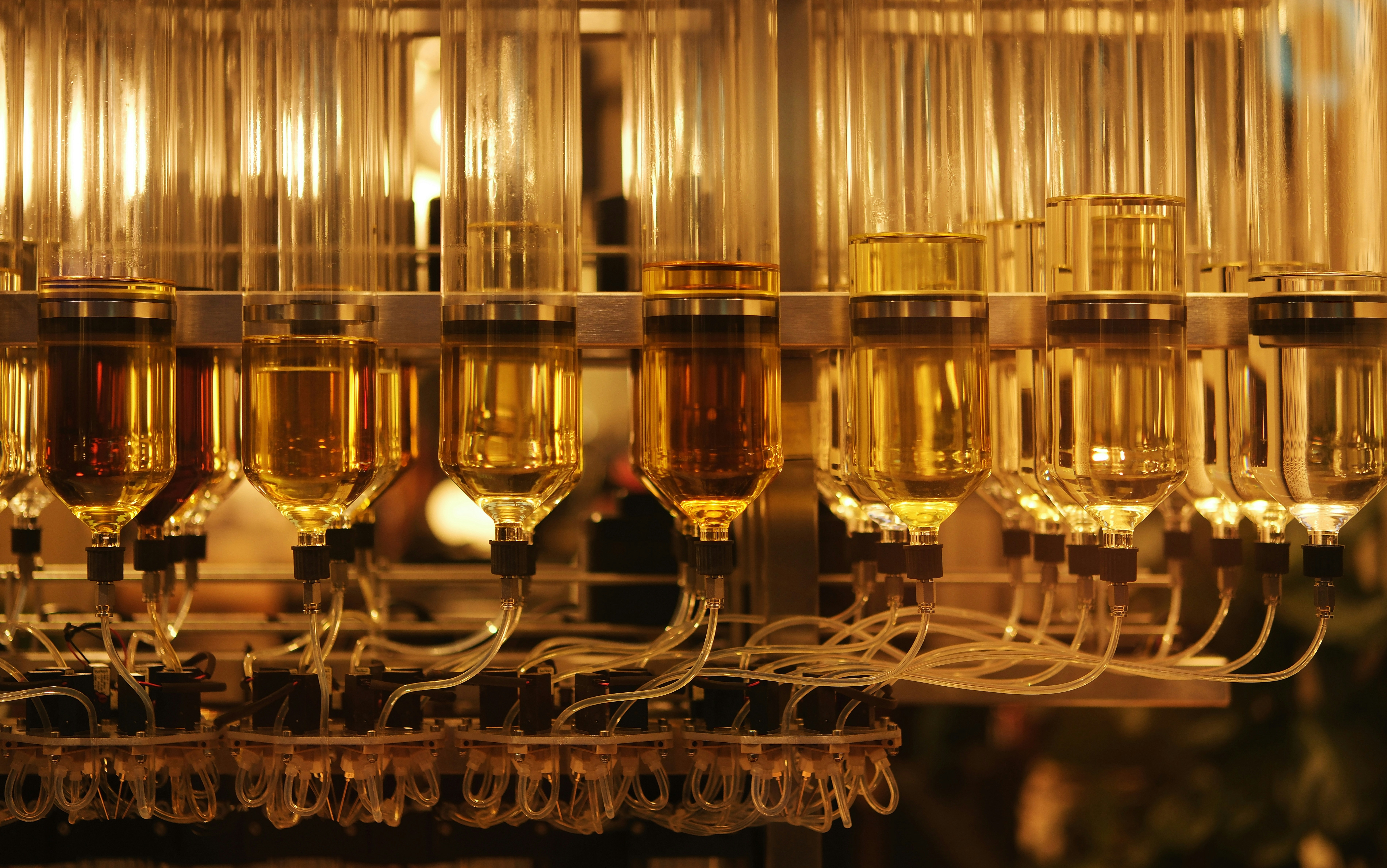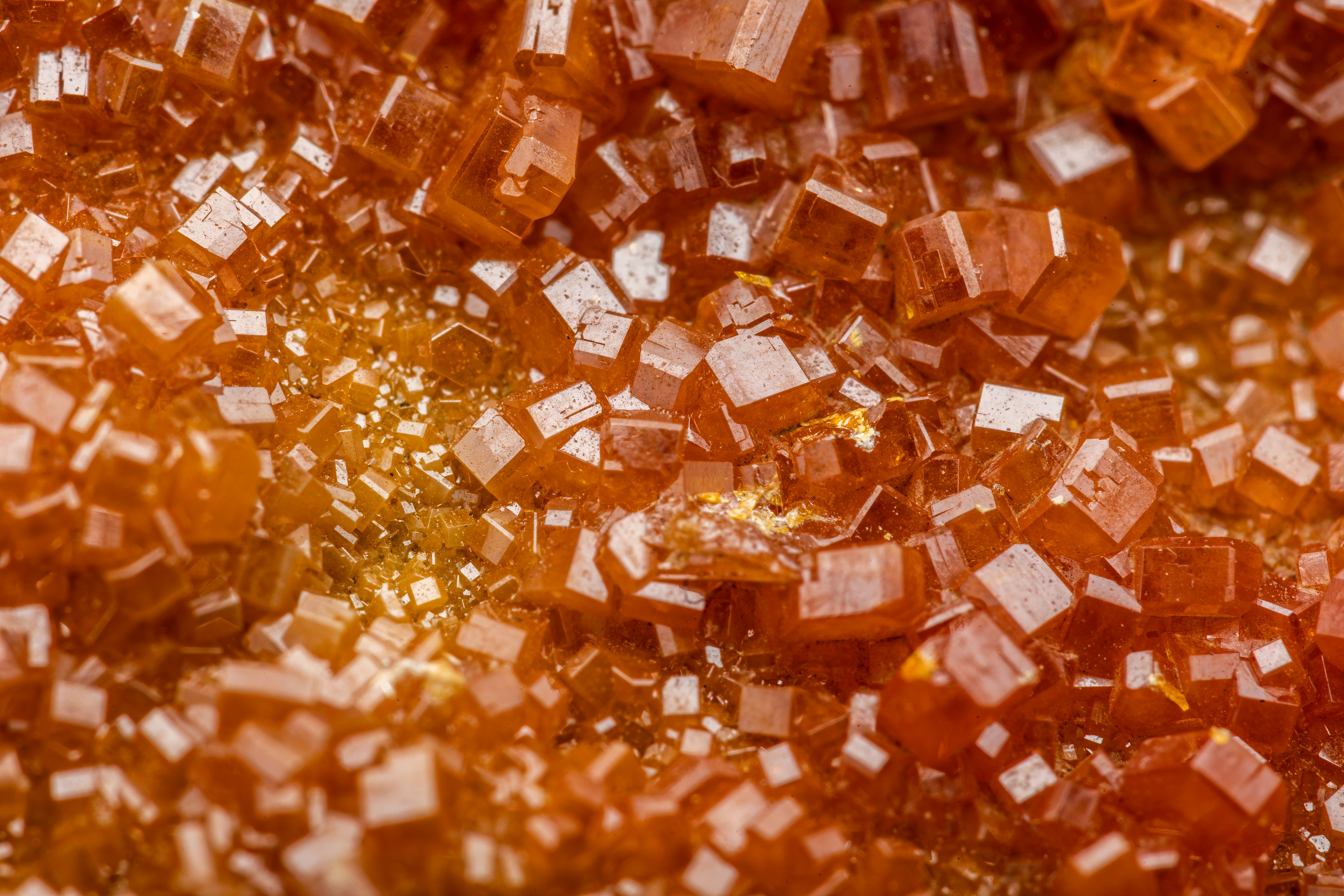
An edible oil refiner uses activated carbon to remove color from a difficult feedstock. The color target is met. Months later, an FFA development issue emerges in storage — and the same carbon that removed color is suspected of contributing oxidation precursors. The carbon was effective for color. It was not the right grade for the full purification job.
Activated carbon is one of the most versatile process aids in food processing — used in sugar refining, edible oil purification, juice clarification, beverage decolorization, sweetener purification, and many other applications. It is also one of the most often selected on the wrong basis. Two carbons that both meet a "food-grade activated carbon" specification can perform dramatically differently in the same application — and the wrong choice can produce problems that emerge months after the carbon has cycled out of the process.
For an operator, the implications go beyond decolorization performance. Carbon choice affects throughput, regeneration economics (where applicable), trace contaminant removal, downstream processing behavior, and final product stability. The cheapest carbon meeting a generic food-grade spec is rarely the right carbon for a specific application.
What activated carbon actually does
Activated carbon is a high-surface-area carbon material engineered with controlled pore structures. Surface areas typically range from 500 to 2,000 m²/g. Adsorption performance depends on three pore types:
- Micropores (under 2 nm) — capture small molecules including many trace contaminants and small color bodies.
- Mesopores (2–50 nm) — capture mid-sized molecules, including many polyphenolic color compounds and certain off-flavor precursors.
- Macropores (above 50 nm) — capture larger molecules and provide the access channels to the smaller pores.
Different feedstocks and activation methods produce different pore distributions. The optimal carbon for one application is rarely optimal for another.
The main activated carbon categories
Coal-based activated carbon
Made from bituminous or lignite coal, steam-activated. Strong on color removal in many applications including sugar refining and edible oil decolorization. Wide cost and availability advantages.
Coconut shell activated carbon
Made from coconut shell, steam-activated. High micropore content; excellent for trace contaminant removal (chloramines, certain pesticide residues, taste and odor compounds). Generally higher cost than coal-based.
Wood-based activated carbon
Made from various wood sources, often chemically activated (phosphoric acid). Larger pore structure favors decolorization of larger molecules including natural pigments and tannins. Common in juice and wine applications.
Powdered (PAC) vs granular (GAC)
PAC is single-use, typically applied in batch or short-residence systems. GAC is column-based, regenerable, and used in continuous or semi-continuous service. The choice affects both capital structure and ongoing economics.
The properties that determine performance
Iodine number and methylene blue number
Standard specifications for adsorption capacity. Iodine number reflects micropore capacity; methylene blue number reflects mesopore capacity. Together they give a partial picture; matching to the application matrix is still required.
Hardness and attrition resistance
For GAC, the carbon must survive multiple regeneration cycles. Soft carbons grind down faster, creating fines that disrupt downstream operations and reduce overall economics.
Ash content and impurity profile
Lower ash carbons leach less into the product stream. Trace iron, calcium, or other minerals can affect product quality in sensitive applications.
Regulatory documentation and traceability
Food-grade certifications, batch traceability, and country-specific regulatory acceptance vary widely. Multi-market operations face the most complex requirements.
Signals that an activated carbon program needs review
When a process using activated carbon shows any of the following, the carbon selection may be the underlying issue:
- Decolorization performance drifting downward despite specification-matching carbon batches.
- Downstream processing issues (filtration, refining steps) appearing after a carbon change.
- Trace impurity carryover into final product that was not present with previous carbon.
- Regeneration economics deteriorating faster than expected for GAC systems.
- Final product stability issues emerging in storage that correlate with carbon batch changes.
Where a sourcing partner adds value
The activated carbon market is global, with major producers in different geographies offering different feedstock types and activation methods. A sourcing partner with category visibility can help match carbon type to the specific application based on pore structure, contaminant target, and downstream processing, evaluate suppliers on consistency, food-safety documentation, and regulatory acceptance, recommend strategies for blending or staging carbons where single grades are insufficient, and support pilot trials before committing to a production-scale change.
Activated carbon selection is one of those categories where the difference between adequate and excellent is invisible on the certificate of analysis but obvious in operational performance over months.
The takeaway
Activated carbon selection succeeds when pore structure, contaminant target, downstream processing, and regulatory requirements are evaluated together — not when generic food-grade specifications and unit cost drive procurement. The operations that deliver consistent product quality, throughput, and regeneration economics come from teams that match carbon to application rather than category. Ingredient choice matters; understanding what each carbon actually does matters more.
This article is provided for general informational purposes only and does not constitute regulatory, engineering, or commercial advice. The performance of activated carbon depends on the specific feedstock, target contaminants, process conditions, and final product specifications of each application, and must be validated case by case.