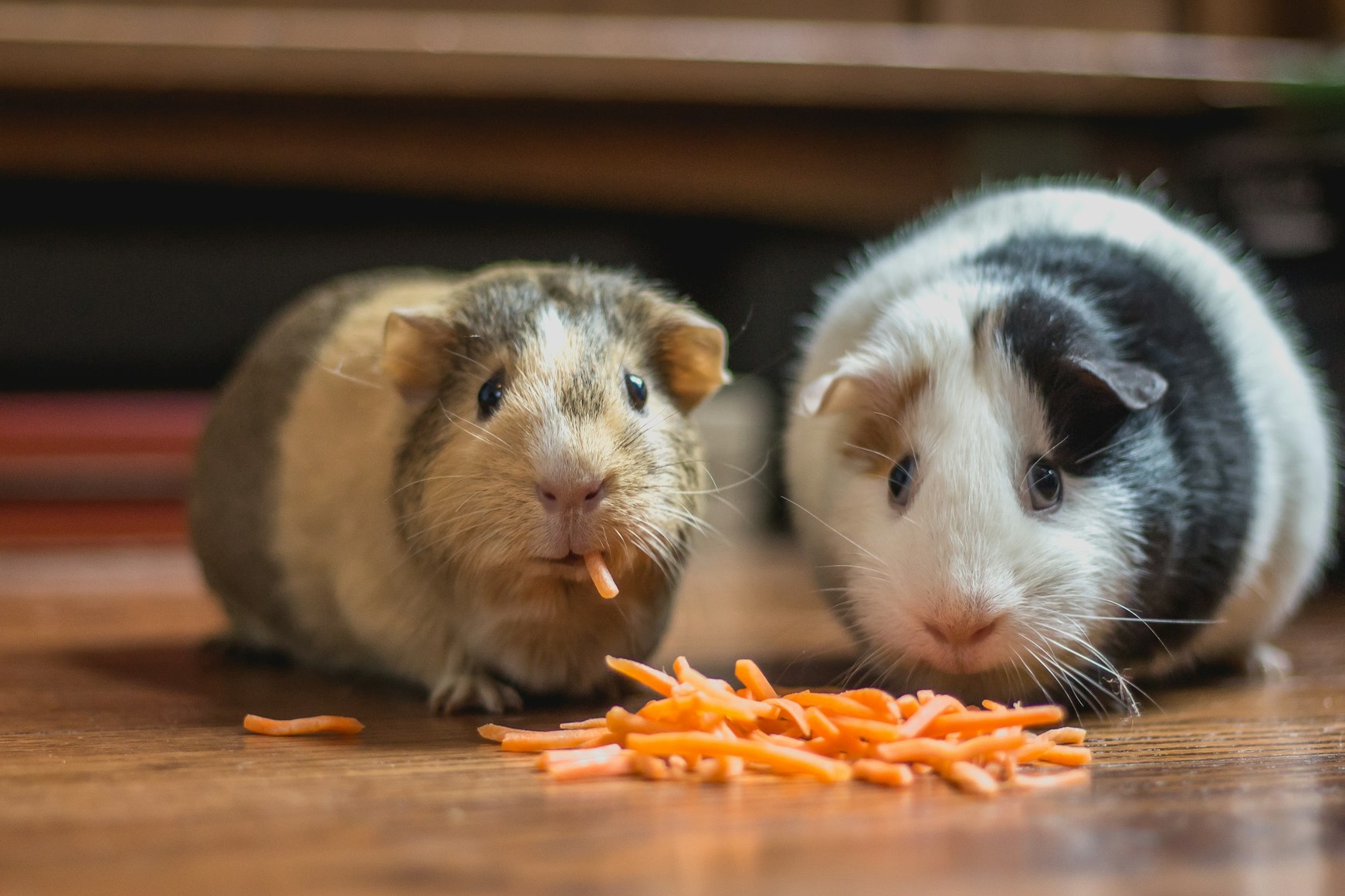
A new pet food formula meets every nutritional target on paper. The first feeding trial shows 40% rejection. The protein and fat profile is correct. The micronutrient package is balanced. The animals simply will not eat it. Palatability was treated as a finishing touch rather than a design variable from day one.
Palatability is the most expensive variable in pet food to get wrong. A correctly formulated product that fails on acceptance is a commercial failure regardless of how good the nutritionals look. The brands that build durable portfolios in this category — premium, mainstream, prescription — treat palatability as a system to design, not a topping to add at the end.
For a manufacturer, the implications go beyond formula tweaks. Palatability decisions affect raw material specifications, processing conditions, packaging choice, and shelf-life expectations. A coating system that works for dry kibble at one moisture level can fail at a different one.
What palatability actually means
"Palatability" is shorthand for several distinct phenomena that need separate validation:
- First-choice preference — when offered two products side by side, which does the animal choose first and how often? Standard two-bowl test.
- Intake ratio — over a defined feeding window, how much of each product does the animal consume? A product can be chosen first but eaten less.
- Repeat acceptance — does the animal continue to eat the product over days and weeks, or does acceptance drop after the novelty period?
- Species and breed differences — cats and dogs respond to fundamentally different palatability cues; large and small breeds within each species can differ further.
- Life-stage sensitivity — puppies, adults, and seniors have different baseline preferences; therapeutic diets often face the toughest acceptance challenges.
The components of a palatability system
The matrix itself
Protein source, fat source, and carbohydrate base set the baseline. Animal-protein-rich diets generally outperform plant-heavy diets on cat palatability; dog acceptance is broader. Fat type and inclusion level affect both initial attractiveness and aroma development through shelf life. Carbohydrate base affects texture, crunch, and the way coatings adhere.
Process conditions
Extrusion temperature, moisture, and shear all affect final palatability. Maillard browning during extrusion contributes positive aroma compounds; over-processing destroys them. Coating temperatures matter for fat dispersion and aroma retention. The same recipe processed on two different extruders can produce measurably different acceptance.
Coatings and enhancers
This is where most palatability work concentrates. Liquid digests (yeast-derived, animal-protein-derived, hydrolyzed proteins), fat coatings, dry palatants, and natural aroma systems each play distinct roles. Cats are particularly responsive to certain animal-derived hydrolysates; dogs respond more broadly. The choice between liquid and dry formats, and between single and dual-application systems, affects both performance and process complexity.
Aroma stability through shelf life
Initial acceptance and shelf-life acceptance are different problems. Volatile aroma compounds degrade over storage, and oxidation of fats produces off-aromas that pets detect long before humans do. A product with 95% acceptance on day 1 can drop to 60% by month 12 if the aroma system is not stabilized.
Signals that a palatability system needs revision
When a pet food shows any of the following in development or in market, the palatability system — not the recipe — is usually the cause:
- Acceptance drops noticeably between fresh production and aged samples.
- Variability batch-to-batch in feeding trial results, despite identical formula.
- Strong initial preference but reduced repeat consumption after the first week.
- Species-specific issues — formula works for dogs but not cats, or for one breed and not another.
- Process line issues — coating uniformity, fat distribution, or aroma loss during cooling and packaging.
Where a sourcing partner adds value
The palatability ingredient market is one of the most specialized in pet food. A small number of suppliers globally produce the bulk of high-performance palatants, with very different technologies (liquid digests, dry palatants, single-strain ferments, enzymatic hydrolysates). A sourcing partner with category visibility can help match the right palatant technology to the matrix and process, share comparative performance data from independent feeding trials, recommend dual or multi-component systems where they outperform single solutions, and support pilot-scale validation before committing to a full production run.
The brands that win in pet food are the ones treating palatability as a core product attribute — designed, validated, and protected through shelf life with the same rigor applied to nutritional claims.
The takeaway
Palatability is a designed system — matrix, process, coatings, and aroma stability working together — not a finishing step. The brands building durable pet food portfolios validate first-choice preference, intake ratio, repeat acceptance, and shelf-life retention as four distinct properties, each with its own test. Ingredient choice matters; the architecture of how those ingredients interact through processing and storage matters more.
This article is provided for general informational purposes only and does not constitute regulatory, nutritional, or commercial advice. The behavior of palatability systems depends on the specific ingredient grade, formula matrix, processing equipment, packaging, and storage conditions of each application, and must be validated through species-appropriate feeding trials.